
Bend winters don’t ease in gradually. One week you’re raking leaves, and the next you’re scraping frost off the windshield at 6 a.m. That kind of swing is exactly what catches homeowners off guard, because pipes that handled last winter just fine can still freeze and crack this year if a cold snap catches them unprepared. A burst pipe in January doesn’t wait for a convenient time, and the water damage that follows almost always costs more than the prevention would have.
Why Central Oregon Homes Are Especially Vulnerable
Bend’s elevation and high desert climate mean overnight temperatures can drop well below freezing even when daytime highs feel mild. Pipes running through unheated crawl spaces, garages, and exterior walls are the most exposed, since they don’t benefit from the home’s regular heating. Older homes in established neighborhoods often have less insulation around these areas than newer construction, and vacation homes and rental properties left unoccupied for stretches are at even higher risk, since no one is there to notice a problem before it becomes serious.
Where Pipes Are Most Likely to Freeze
A few locations account for most freeze-related failures:
- Pipes running through unheated crawl spaces or basements
- Supply lines in exterior walls, especially on the north side of the home
- Garage plumbing, including washing machine connections
- Outdoor spigots and hose bibs left connected through winter
- Any line that has frozen in a previous year, since the same weak point tends to fail again
If you’ve dealt with a frozen pipe before, that spot deserves extra attention this time around.
Steps to Take Before the First Hard Freeze
Disconnect and drain outdoor hoses:
A hose left attached to an outdoor spigot traps water that can freeze, expand back into the pipe, and crack the fitting. Disconnect every hose, drain it fully, and if your spigot doesn’t have a built-in shutoff, consider an insulated faucet cover for added protection.
Insulate exposed pipes:
Foam pipe sleeves are inexpensive and simple to install around any supply line running through a crawl space, garage, or exterior wall. For known problem areas, heat tape offers a more active layer of protection.
Seal gaps where cold air gets in:
Check the foundation, crawl space vents, and any spot where pipes pass through an exterior wall. Even a small gap can let in enough cold air to drop the temperature around a pipe significantly.
Keep a trickle of water running during extreme cold:
Moving water is harder to freeze than standing water. On the coldest nights, letting a faucet connected to a vulnerable line drip slightly can be enough to prevent a freeze.
Know where your main shutoff valve is:
If a pipe does freeze or burst, shutting off the water supply quickly limits the damage. Make sure everyone in the household knows where the valve is and how to use it before an emergency happens, not during one.
Before You Leave Town
Vacation homes and properties left unattended through the winter face the highest risk, since a developing leak can go unnoticed for weeks. If you’re heading out of town for an extended stretch, consider shutting off the main water supply and draining the lines entirely, or installing a leak detection system that can alert you remotely and shut off water automatically if something goes wrong.
If a Pipe Does Freeze or Burst
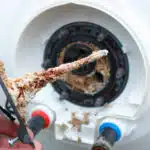
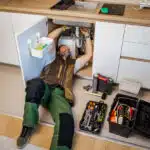
Shut off the water at the main valve immediately, and open a faucet to relieve pressure in the line. Never try to thaw a frozen pipe with an open flame. If you suspect a pipe has already burst, even if you don’t see active water yet, it’s worth a prompt call for leak repair before a small crack becomes a flooded crawl space.
A Little Prevention Goes a Long Way
Winterizing your plumbing takes an afternoon. Repairing a burst pipe and the water damage that follows takes a lot longer and costs considerably more. If you’re not sure which areas of your home are vulnerable, or you want a professional eye on your residential plumbing before the cold really sets in, Deschutes Plumbing can walk through your home and flag the spots most likely to cause trouble this winter.
Frequently Asked Questions
1. At what temperature do pipes actually start to freeze?
Pipes are generally at risk once outdoor temperatures drop to around 20°F or below, especially in unheated or poorly insulated areas like crawl spaces and exterior walls. However, wind chill and how exposed a pipe is can lower that threshold. A single hard freeze overnight is often enough to affect a vulnerable line.
2. Does letting a faucet drip really prevent freezing?
Yes. Moving water is much harder to freeze than water sitting still in a pipe, and a slow drip also relieves pressure buildup if ice does start to form elsewhere in the line. This works best on faucets connected to pipes known to run through unheated or exposed areas of the home.
3. How do I know if a pipe has already frozen?
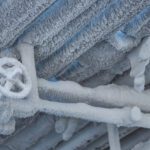
The clearest sign is a faucet that produces little or no water when turned on, especially if it worked normally the day before. You may also notice frost on an exposed section of visible pipe, or a slight bulge in the line. Don’t wait to address it, since a frozen pipe can crack as ice expands.
4. Is heat tape safe to use on my own?
Heat tape designed for plumbing is generally safe for homeowner installation when used according to the manufacturer’s instructions, but it must be rated for the specific pipe material and never overlapped on itself. If you’re unsure about placement or wiring near a crawl space, having a professional install it reduces fire risk and ensures full coverage.
5. Should I winterize my vacation home even if no one will be there?
Yes, especially so. An unoccupied home has no one to notice a slow leak or a dropping thermostat, which is exactly when small problems turn into major flooding. Shutting off the main water supply and draining the lines, or installing a remote leak detection system, are the two most effective safeguards for properties left empty.
The app version is a game changer. I can play anywhere now and the loading times are almost instant. If…
I won a decent amount yesterday and the withdrawal was processed almost instantly. Total game changer. Visit phjili988 for the…
Consistency is key and this site provides exactly that. No crashes and very reliable servers. betgame365 is the real deal.
[4077]Saklagame Login Official - Slots at Casino gamit ang GCash,Mag-saklagame login official na para sa pinaka madaling manalo na slots.…
[1966]Okbet login at registration | Legit slots via GCash,Gamitin ang okbet login app para sa mabilis na access. Alamin kung…