
If you’ve lived in Central Oregon for more than a few years, you’ve probably noticed the white, crusty buildup on your showerhead, the film on glassware fresh out of the dishwasher, or soap that never quite lathers the way it did somewhere else. That’s not a fluke. It’s hard water, and in Bend and the surrounding Deschutes County area, it’s a genuine, measurable condition of the local water supply — not just an inconvenience to wipe away.
Why Central Oregon’s Water Is Harder Than You Think
Much of Central Oregon’s water travels through volcanic rock before it reaches your tap, picking up elevated levels of calcium and magnesium along the way. Those minerals don’t dissolve away once the water reaches your home. They ride along through every pipe, fixture, and appliance, leaving deposits behind every time water heats, cools, or evaporates. Over months and years, that buildup adds up — and it’s the quiet reason a lot of plumbing problems in this region show up earlier than homeowners expect.
What Hard Water Does to Your Pipes
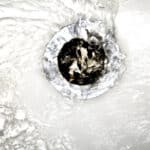
Mineral deposits, often called scale, gradually coat the inside of supply lines. In older homes with narrower galvanized pipes, this buildup can meaningfully reduce the interior diameter over time, which shows up as weaker water pressure at the faucet. Scale also roughens the interior surface of pipes, giving debris, soap residue, and sediment more to grab onto — one reason drains in hard-water homes tend to clog more often than the same fixtures would elsewhere. Joints and fittings aren’t immune either; mineral buildup around connections can accelerate small leaks that might otherwise take years to develop.
The Appliances Taking the Hit
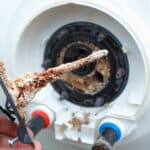
Your water heater absorbs more hard-water damage than almost anything else in the house. Calcium and magnesium settle at the bottom of the tank, insulating the heating element from the water above it. The unit has to run longer and hotter to compensate, which drives up energy bills and shortens the appliance’s working life. It’s part of why water heater replacement and service tends to come sooner for Deschutes County homeowners than the national averages would suggest — sometimes years before a unit elsewhere would need attention.
Dishwashers and washing machines show the effects too, often as cloudy glassware, stiff towels, or detergent that doesn’t fully rinse away. Faucets and showerheads develop visible scale around the openings, and fixtures in kitchen and bathroom remodels are especially vulnerable if they aren’t selected with local water conditions in mind.
Signs Your Home Is Already Affected
A few patterns are worth paying attention to:
- White or chalky residue around faucets, showerheads, and drains
- Reduced water pressure that developed gradually rather than suddenly
- A water heater that’s noisier than it used to be, or running out of hot water faster
- Spots or film on dishes even after a full wash cycle
- Soap and shampoo that feel hard to rinse out completely
Any one of these on its own isn’t an emergency. Several together, especially alongside an aging water heater, are worth a professional look before small inefficiencies turn into a bigger repair.
What Actually Helps
A whole-house water softener is the most direct fix, since it treats water before it ever reaches your pipes or appliances, rather than treating the symptoms one fixture at a time. For homes not ready for that investment, routine maintenance makes a real difference: flushing a tank water heater annually clears out sediment before it accumulates into a real problem, and periodic drain cleaning keeps scale-related clogs from building into backups. When you’re planning a kitchen or bathroom remodel, choosing fixtures rated for hard-water conditions upfront can save you from replacing them again in just a few years.
When to Call a Professional
If your water pressure has dropped, your water heater is acting up, or you’ve noticed a leak developing near an older fitting, hard water may be part of the story. A licensed plumber familiar with Central Oregon’s water conditions can assess what’s actually happening inside your pipes and appliances, rather than guessing from the surface symptoms. For residential plumbing in Bend, Redmond, Sisters, and the surrounding area, Deschutes Plumbing can evaluate your water quality and recommend the right next step, whether that’s a softener, a water heater flush, or a full replacement.
Hard water isn’t going away in Central Oregon — but the damage it causes doesn’t have to be a surprise. A little attention now is almost always cheaper than the repair that shows up later.
Frequently Asked Questions
1. Does hard water actually shorten my water heater’s lifespan?
Yes. Calcium and magnesium settle at the bottom of the tank and insulate the heating element, forcing the unit to run longer and hotter to reach temperature. Over time, this added strain wears down components faster than normal and drives up energy costs. In Central Oregon’s mineral-heavy water, tank water heaters often need replacement years sooner than national averages suggest.
2. Can I install a water softener myself?
A whole-house water softener requires connecting into your home’s main water line, which typically involves cutting pipe, adding bypass valves, and tying into your plumbing system correctly to avoid leaks or pressure issues. Most homeowners have a licensed plumber handle installation to ensure it’s sized properly for the household and installed to code.
3. How do I know if hard water is affecting my pipes specifically?
Watch for gradually weakening water pressure, more frequent drain clogs, or small leaks developing around older fittings and joints. Scale buildup narrows pipe interiors and roughens their surfaces over time, making debris more likely to catch. These changes tend to happen slowly, so comparing pressure and flow to a year or two ago is often the clearest signal.
4. Will hard water damage a brand-new water heater right away?
Not immediately, but the effects start accumulating from day one. Sediment buildup is gradual, so a new unit won’t show problems in its first months. However, without annual flushing, scale accumulates steadily, and Deschutes County homeowners often notice reduced efficiency and shortened lifespan within just a few years of installation.
5. Does hard water affect drinking water safety?
No. Hard water is a mineral content issue, not a safety or contamination concern, and calcium and magnesium are not harmful to drink. The effects are mechanical and cosmetic: scale buildup in pipes and appliances, spots on dishes, and reduced soap effectiveness, rather than any health risk to you or your household.



The VIP treatment here is actually legit. Better rewards and more exclusive events than other sites I have used. Join…
[918]poko x6 লগইন এবং অ্যাপ ডাউনলোড | বিকাশ অনলাইন ক্যাসিনো,poko x6 লগইন করুন এবং অ্যাপ ডাউনলোড করে সেরা অনলাইন স্লট…
Loving the vibe of this place! The bonuses are generous and it feels just like a real casino from the…
Finally found a place where the gameplay feels fair and the community is actually helpful. Had a great run last…
Absolute blast playing the slots here. The jackpot hit was unexpected but awesome. I am addicted to 777xzgame now.